
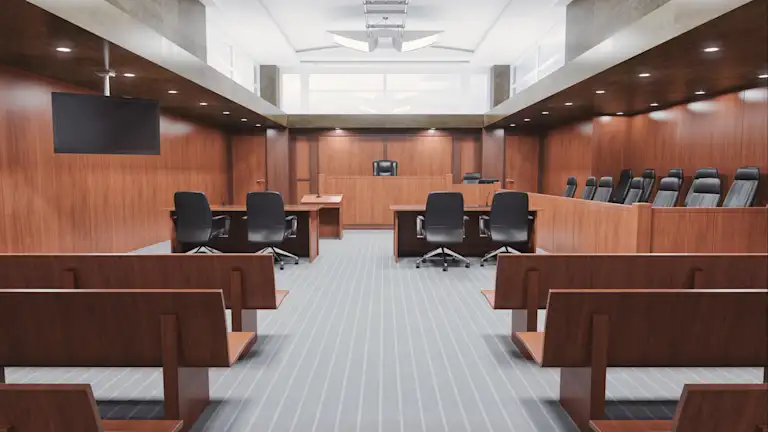
You do not need to sound like a lawyer to survive your first day in court. You do need to stop walking in blind. Courtroom basics are not tiny details for perfectionists; they are the difference between looking prepared and looking like you wandered into the wrong building with your papers upside down.
Most first-time litigants expect the hard part to be the law. Often, the harder part is the room itself. The judge interrupts faster than you expected. The clerk asks for a case number you forgot to write down. The other side speaks with calm confidence while your brain suddenly goes blank. That feeling is normal, but it is also avoidable when you understand the rhythm of a courtroom before you stand up to speak.
Court is not a TV set, and it is not a debate club. It runs on timing, order, respect, and paperwork that actually matches the story you want to tell. Once you see that, the whole experience changes. You stop trying to impress the room and start learning how to move through it without tripping over your own nerves. That is where real control begins.
Learn the room before the room starts judging you
A courtroom has its own weather. You feel it the second you walk in. Some rooms move fast and clipped. Others drag through calendars, side comments, and long pauses while everyone waits for one missing file. Either way, you should know who sits where, who speaks first, and when you are expected to stand.
The judge runs the hearing, but the clerk often controls the flow you actually experience. That means you do not ignore the clerk, and you do not treat staff like background furniture. I have seen people charm themselves straight into trouble by acting friendly with the judge and rude with everyone else. Bad move.
You should also know the difference between a hearing, a conference, a motion date, and a trial call. People lump them together, then show up ready for the wrong thing. A short scheduling conference does not ask for the same prep as an evidence hearing. If you bring ten exhibits to a two-minute status update, you look rattled before you say a word.
Visit the courtroom once before your date if you can. Sit in the back. Watch how cases get called. Notice how often people talk too long. The lesson comes fast: the room rewards clarity, not drama. That is useful knowledge before your own name gets called.
Your paperwork carries your case before your voice does
The first thing that earns respect in court is not passion. It is order. Judges and clerks notice neat, labeled, easy-to-follow paperwork because it saves time, and time is the one thing every courtroom guards like gold.
You need a clean file with your pleadings, motions, notices, exhibits, and any prior orders in a sequence you can find without panic. Use tabs if the court allows them. Keep extra copies. Bring a pen that works. Bring a notepad. Bring the case number on the front page of everything you expect to use. Small habits. Big payoff.
One of the ugliest mistakes first-time litigants make is assuming the court already has every document. Sometimes it does. Sometimes it does not. Sometimes the scanned version exists but the judge has not seen it. If you rely on hope, your hearing can skid sideways in ten seconds.
A grounded example: if you filed photos in a property damage dispute, print them clearly, label them, and know why each one matters. Do not hand over a messy stack and say, “They’re all kind of important.” That line kills momentum. Pick the strongest pieces, attach them to a point, and make the judge’s job easier. That is how paper starts working for you.
Why courtroom basics matter before you ever open your mouth
Nerves make people strange. Smart people ramble. Calm people interrupt. Honest people answer questions nobody asked. This is why courtroom basics matter long before the judge hears the substance of your case. They steady your body, and that steadies your thinking.
Start with the obvious. Dress neatly. Arrive early. Silence your phone. Stand when the judge enters unless local practice says otherwise. Do not chew gum, roll your eyes, sigh loudly, or react like you are live-posting your emotions to the room. Court notices behavior faster than beginners realize.
Then get stricter with your speech. Speak to the judge, not over the other side. Answer the exact question asked. Stop when you finish. That last one trips people up more than any legal rule. They think talking longer shows sincerity. Usually it shows fear.
A quick script helps: state who you are, what you want, and why the facts support it. Nothing fancy. For example: “Your Honor, I’m asking for a continuance because I received the records yesterday and need time to review them.” Clean. Human. Useful.
Here is the counterintuitive part: your goal is not to sound impressive. Your goal is to sound reliable. Judges hear confidence every day. They value control more. When you master that, the room starts feeling smaller, and your case starts sounding stronger.
Evidence wins by fit, not by volume
People love bringing too much evidence because it feels safer. It is not. A thick pile of weak material does not make a point stronger; it buries it. The court wants relevant proof connected to a real issue in the case. Fit beats bulk every time.
You should ask one question about each exhibit: what fact does this prove? If you cannot answer that in one sentence, the exhibit may not belong in your hearing bag. A screenshot without a date, a text thread without names, or a receipt without context may look useful at home and collapse under scrutiny in court.
Foundation matters too. You need to know where the document came from, who made it, and why the court should trust it. That sounds technical, but it often comes down to common sense. If you printed an email chain, be ready to explain what it is and how you received it. If you took photos, know when and where you took them.
A real-world example makes this plain. In a landlord-tenant fight over repairs, one sharp maintenance request sent before the inspection date can matter more than twenty blurry bathroom photos with no timestamps. One clean point can punch harder than a messy wall of paper. That is not unfair. It is how decision-making works under pressure.
Court etiquette is not about manners; it is about power
Many first-time litigants think etiquette means being polite. That is only half true. Court etiquette is really about showing the judge you understand the structure of the room. When you respect the structure, you gain room to be heard.
Do not interrupt, even when the other side says something slippery. Write it down. Wait. Ask to respond when your turn comes. The person who keeps control often looks more believable than the person who reacts fastest. That stings, but it is real.
You should also avoid performing outrage. Courts see anger all day, and most of it looks borrowed from television. Calm detail lands harder. If the other side missed a deadline, say that clearly. If they changed their story, point to the inconsistency. Let facts do the bruising.
This is also where self-represented people lose ground by talking to the other side instead of to the bench. You are not there to win an argument in the hallway with better shoes and louder opinions. You are there to help the judge decide something. Keep your eyes and your language aimed at that task.
By the time etiquette clicks, a deeper truth usually clicks too: the courtroom rewards restraint because restraint signals trustworthiness. That may feel unfair when you are upset. It is still the rule of the room.
The hearing ends, but your next move starts immediately
Walking out of court without a plan is how small problems become expensive ones. The moment the hearing ends, you need to know what the judge ordered, what deadlines now apply, and what paper trail you must keep from that point forward.
Write down the result before you leave the building. Do not trust memory. Hearings blur together once the adrenaline drops. Note the next date, any filing deadline, any payment amount, any document you must serve, and any warning the judge gave. One missed date can erase a decent day in court.
You should also get a copy of the minute order, written order, or docket entry as soon as it becomes available. Spoken rulings matter, but written records rule your next step. If the order says something different from what you thought you heard, the written version is the one that can shape what happens next.
This is where disciplined people pull ahead. They calendar deadlines, save copies, confirm service, and prepare early for the next appearance. They do not celebrate too early or spiral too early. They stay organized.
Court rarely gives you a perfect ending on the first try. It gives you direction. Treat that direction like a map, not a suggestion, and you put yourself in a far better position for whatever comes next.
Conclusion
Your first court appearance does not demand magic. It demands steadiness. The people who handle court well are not always the loudest, smartest, or most legally fluent. They are the ones who respect the process enough to prepare for it without turning themselves into amateur actors.
That is the real value of courtroom basics. They turn the room from a mystery into a system you can read. Once you know where to stand, when to speak, how to organize proof, and what to do after the hearing, fear loses a lot of its grip. You may still feel nervous. Fine. Nerves are not fatal. Disorder is.
If you are heading into court soon, do not wait until the night before to get serious. Visit the courthouse. Build your file. Practice your opening lines out loud. Write down your timeline and your strongest facts. Then trim the fluff and keep the point sharp.
Take the next step today: prepare like the room is real, because it is. The more you respect that reality now, the better your chances when your case finally gets called.
What should first-time litigants bring to court on hearing day?
Bring your filed papers, extra copies, photo ID, a notepad, pens, exhibits, and any court notice with the case number. Pack everything in order. You want quick access, not a panicked bag search while the judge waits for you there.
How early should first-time litigants arrive at the courthouse?
Arrive at least thirty minutes early, and earlier if security lines run long at that courthouse. Extra time lets you find the room, settle your nerves, and fix small mistakes before they grow teeth in front of everyone there.
What do first-time litigants wear to court in the USA?
Wear clean, modest, neat clothing that would not distract anyone for the wrong reason. You do not need a luxury suit. You need to look respectful, organized, and serious enough that the court focuses on your words, not outfits.
Can first-time litigants speak directly to the judge during a hearing?
Yes, but only when the judge allows it or asks a question. Do not interrupt, argue from your seat, or talk over the other side. Wait, stand when needed, and answer clearly. Timing matters almost as much as the answer itself.
How do first-time litigants organize evidence for court effectively?
Label each exhibit, place it in order, and connect it to one fact you need proved. That keeps your presentation sharp. Judges do not reward giant stacks of random paper. They reward proof that fits the issue without extra clutter.
What mistakes do first-time litigants make most often in court?
They talk too much, interrupt, bring messy paperwork, miss deadlines, and confuse emotion with persuasion. Many also assume the judge already knows their file. Never assume that. Walk in ready to explain your point with calm, organized precision.
Do first-time litigants need to stand every time they speak?
Usually, yes, when addressing the judge unless local practice says otherwise or the judge tells you to stay seated. Watch the room before your case gets called. Courtrooms have habits, and learning those habits helps you avoid awkward missteps.
How should first-time litigants address the judge in court?
Use “Your Honor” and keep your tone respectful, even when the hearing gets tense. Skip casual language, sarcasm, or speeches aimed at showing personality. The court cares far more about clarity and respect than charm or dramatic flair.
What happens if first-time litigants miss a court deadline?
Missing a deadline can hurt your case fast. You may lose a filing chance, delay the hearing, or face sanctions. Check every date the same day you receive it, then calendar reminders so nothing slips through the cracks later.
Can first-time litigants use notes while speaking in court?
Yes, and they should. Notes keep you focused when nerves hit hard. Use bullet points, dates, names, and your main request. Do not read like a robot. Glance down, stay grounded, then speak to the judge like a person.
Are first-time litigants allowed to talk to the other side before court?
Yes, sometimes, and it can help narrow issues or settle small disputes before the hearing starts. Keep it brief and civil. Do not argue in the hallway. If emotions rise, stop talking and save your points for the courtroom.
What should first-time litigants do right after the hearing ends?
Write down the result, every deadline, and anything the judge ordered before leaving the building. Then get the written order or docket entry when available. Memory gets slippery after stress, and details you forget today can cost you later.